

How Diverse Recruitment is the Key to Starting Your Inclusion Journey

Diverse Recruitment: Starting Your D&I Journey
Whether you are a recruitment agency wanting to improve your inclusivity or a business looking for an area to start your Diversity and Inclusion (D&I) journey, diverse recruitment is the most impactful place to begin. However, it is a constant, conscious journey, not a one-time "tick-box" exercise.
This guide, updated with insights from the Includability community, will help you move from the basics to a truly inclusive strategy.
What is Diverse Recruitment?
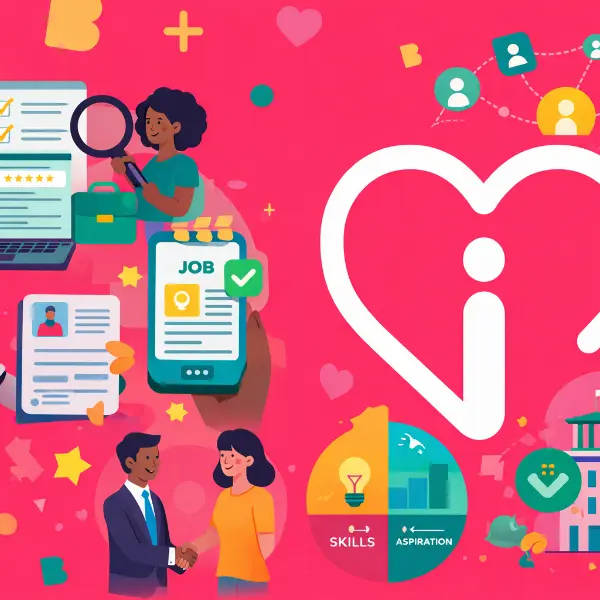
Diverse recruitment is the practice of ensuring you consider people from a wide range of backgrounds and identities during hiring. It isn't just about the interview; it covers the entire lifecycle—from identifying roles and writing job descriptions to the moment a candidate is successfully onboarded.
Why Should You Care? (The Business Case)
Recruiting from a wider talent pool is a win-win. Beyond social responsibility, diversity is a strategic priority. Remember the PEER acronym for the business benefits:
- Performance: Evidence shows that companies with diverse workforces perform better.
- Experience: A diverse workforce brings a stronger set of skills and deeper institutional knowledge.
- Engagement: A workplace that supports everyone equally sees better retention and engagement levels.
- Relatability: Your business will reflect the diversity of your customer base and community.
Beyond the Surface: The "Impact Iceberg"
Hannah Keartland (Founder of Keartland & Co) uses the "Impact Iceberg" analogy to describe D&I efforts. While "above-the-water" activities (like Pride Month social posts) are visible, meaningful change happens "below the water" by addressing deep structural processes.
Recruiter Recommendation: Move away from "culture fit"—which often leads to unconscious bias—and focus on "culture add." Ask yourself: "What unique perspective does this individual bring that we are currently missing?"
Practical Tips for an Inclusive Recruitment Process
1. Clearer Criteria & Agile Talent Management
Vague job descriptions can discourage diverse talent. Instead of traditional, static competency frameworks, try an agile approach focusing on three data points:
- Skills & Capability: What can they actually do?
- Aspiration: Where do they want to go?
- Availability: How can we match their skills to our needs?
2. Neuroinclusive Communication
Alex Manners (Autism Speaker) highlights that small, cost-free adjustments can revolutionize the experience for neurodivergent candidates:
- Avoid Idioms: Use literal language. Instead of "Can you keep an eye on this?", say "Please monitor this report and update me by 4 PM."
- Visual Familiarity: Send photos of the office (the front door, the kitchen, the interview room) before the interview to reduce environmental anxiety.
3. Diverse Interview Panels
Improving the diversity of those conducting interviews brings massive rewards. Statistics show that when the interview panel is diverse, the likelihood of diverse candidates successfully making it through the process increases significantly (up to 70% in some corporate studies).
4. Support for Returners
Annie Abelman (Founder of Mentor Mums) reminds us that supporting parents and carers returning to work is a "business bottom-line issue."
- Strategy: Offer phased returns and re-induction programs.
- Culture: Ensure social events aren't always centered around "drinks after work," which can exclude those with childcare responsibilities.
5. Galvanize Colleague Networks
Melissa Sterling (Senior EDI Manager at Halfords) suggests using internal colleague networks as sounding boards. Let your staff review your job ads to ensure they resonate with the communities you are trying to reach.
What Else Can You Do?
The law (Equality Act 2010) protects against discrimination, but true inclusion is proactive, not reactive.
- Diversity Audit: Start by understanding your current makeup through anonymized surveys.
- Inclusive Language: Use gender-decoder tools to ensure your ads don't lean too "masculine" or "feminine."
- Schedule Inclusion: Just as you schedule a board meeting, book time in your calendar for wellbeing and inclusion initiatives. If it isn't scheduled, it often doesn't happen.
Final Thought: As the Includability community advocates, you don’t have to have all the answers right away. This is a learning curve. As long as you have open communication and a genuine desire to understand lived experiences, you are on the right path.
Call to Action
Ready to take the next step? Join the Includability community to access more "Light Bulb" moments and resources to make your workplace more inclusive, diverse, and mentally healthy.
Tags


Hiring... Only If You’re Ready to Change the Game



