

How to Get a Job Quickly: The 2026 Includability Guide to Inclusive Career Moves
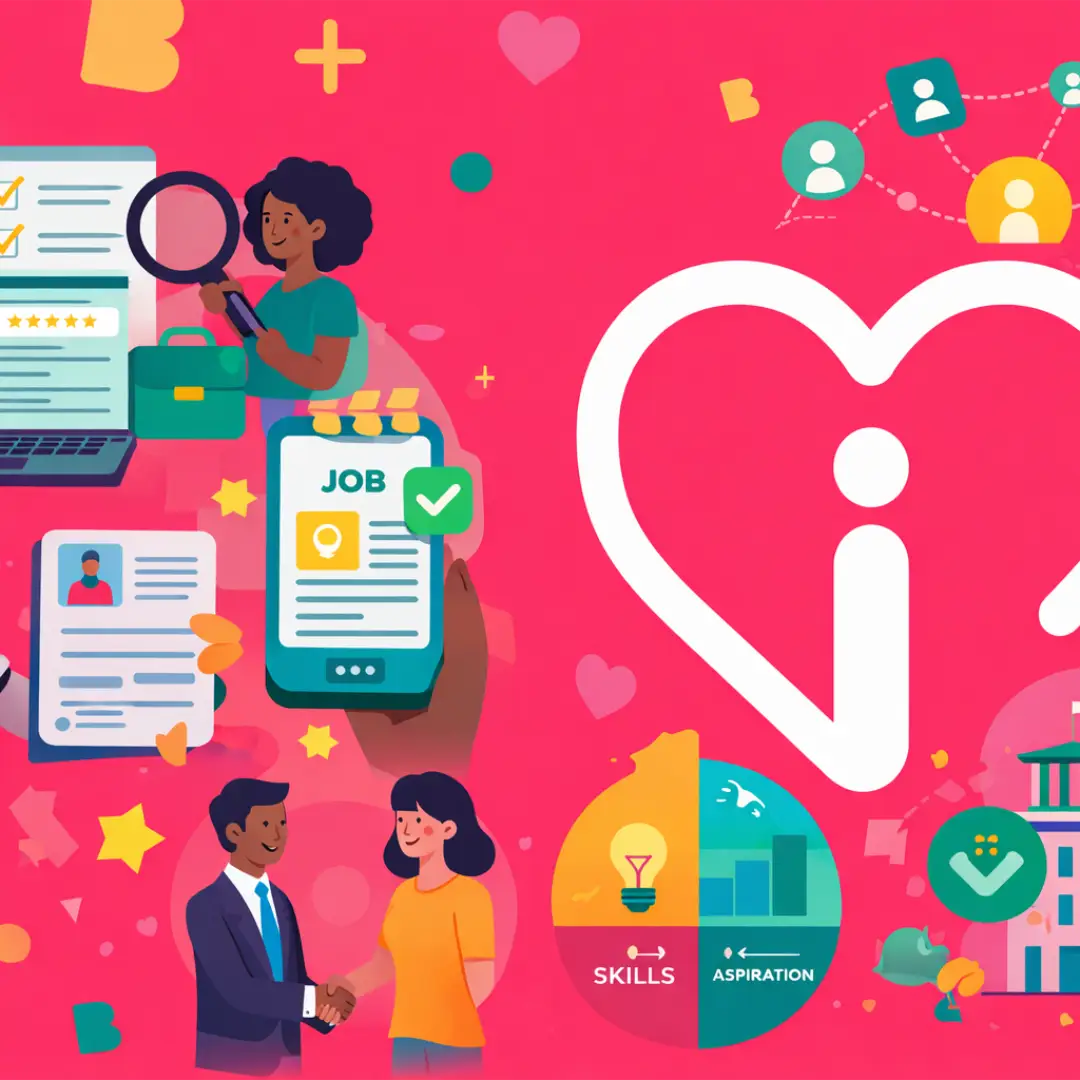
The Includability Guide to Inclusive Career Moves
Finding a new role today requires a blend of digital efficiency and radical authenticity. At Includability, we know that the best job search isn't just about finding any role - it’s about finding a workplace where you can thrive.
Whether you are a career changer, a returner, or a recent graduate, follow these nine steps to accelerate your journey toward an inclusive employer.
1. Define Your Objective (Skills vs. Boxes)
Before you apply, define your goal. James (Includability Founder) suggests moving away from "putting yourself in a box." Instead, define your profile using three agile data points:
- Skills & Capability: What can you actually do right now?
- Aspiration: Where do you want to grow in the next two years?
- Availability: How does your life (parenting, side projects, wellbeing) match the role?
2. The 2026 "Human-First" CV
AI-led screening is more prevalent than ever. To get through, your CV must be clean and literal.
- The Rule of Two: Keep it to two pages.
- Literal Keywords: Use the exact phrasing found in the job description to help AI scanners, but keep the descriptions human.
- Expert Insight: Don't just list responsibilities; list impact. Look for how your previous work created positive change.
3. Brand Yourself via the "Impact Iceberg"
Recruiters use LinkedIn as an interactive CV. When branding yourself, look at the Impact Iceberg model.
- Above the Water: Your certifications and job titles.
- Below the Water: Your values, your "Culture Add," and your commitment to inclusion or mental health.
- Top Tip: Post or share content that reflects your authentic self. This acts as a signal to inclusive employers who are looking for more than just a "culture fit."
4. Personalise Your Cover Letter
Generic letters are a thing of the past. Focus on the employer's Commitments.
- Includability Tip: Check if the company is an Includability Committed Employer or a B Corp. Mentioning their 6-stage verification process or their JEDI (Justice, Equity, Diversity, and Inclusion) standards shows you are looking for a long-term value match.
5. Register on Verified Job Boards
Standard job boards often lack culture verification. By using the Includability Job Board, you are filtering for employers who have already been vetted for their treatment of staff, mental health support, and diversity.
6. Tap Into Your Network & Allies
Don't search in a vacuum. Let your community know you are looking. Jump on Linkedin and connect with people and companies in your chosen sectors.
- The Returner Advantage: If you are returning from a career break, Annie Abelman (Mentor Mums) suggests being proud of the "swathes of knowledge" you've gained during your time away. Look for "Returner Programs" and "Phased Induction" policies.
- Use the "prac-ademic" approach: Championed by the Switch the Play Foundation to support athletes through successful life transitions and supporting pathway programs like "Switched On" or the "Evolve to Thrive" initiative, allies can help athletes view personal development not as a "Plan B," but as a crucial extension of their active sporting career. Networks can provide tangible support through the "Career Pathways" service by offering work shadowing, business mentoring, or internships that help sportspeople translate their elite skills into the corporate world. Your engagement as an ally helps bridge the gap between sport and second careers, providing the trusted network needed to prevent identity loss and ensure long-term wellbeing beyond the field.
7. The Neuro-Inclusive Interview
Interviews are a two-way street. Alex Manners (Autism Speaker) highlights that you have the right to ask for "Reasonable Adjustments" to perform your best:
- Pre-Interview Photos: Ask for photos of the office entrance or the interview room to reduce anxiety.
- Literal Questions: If an interviewer uses an idiom (e.g., "Tell us how you'd hit the ground running"), feel free to ask for a literal translation of their expectations for the first 30 days.
8. Practice "Culture Add" (Not Fit)
In 2026, leading companies are moving away from "Culture Fit"—which often breeds bias.
- The Strategy: During the interview, highlight what you add to the team. What perspective do you bring that they don't already have? This is your unique selling point.
9. Maintain Resilience & Wellbeing
Job searching can be exhausting. Your "gut feeling" and mental energy are your best tools.
- Wellbeing Tip: Schedule "Inclusion and Wellbeing" blocks in your own diary. Use movement breaks and prioritise rest to ensure you show up to interviews with high energy and a sharp focus.
- Saski’s Wisdom: Remember that this is a learning curve. If an interview doesn't go well, it’s often a sign of a lack of psychological safety in that environment - it's a redirection, not a failure.
Your Next Step
Don't wait for the "perfect" moment to start. Organise your first five applications today.
Tags


Hiring... Only If You’re Ready to Change the Game



